How the job runs
- 1Isolateshut both stops below the basin, then open the handle to bleed the line
- 2Identify the typecompression stem, ball, cartridge or ceramic disc
- 3Disassembleremove the handle and bonnet without scarring the finish
- 4Replace wear partsnew cartridge, washers, O-rings or seats
- 5Reassemble and testrestore water and check for drips at the spout and under the sink
01Know your faucet
Two-handle compression taps, common in original fifties kitchens and laundry rooms, seal with a rubber washer against a brass seat. Single-handle faucets use a cartridge or ceramic disc. Identifying the brand and model matters, because the wrong cartridge will not seal.
We carry common cartridges and can source others.
| Compression faucets | Older two-handle style with rubber washers |
|---|---|
| Cartridge faucets | Most modern single-handle taps |
| Hard water | Scale shortens cartridge life in this region |
02Scale and grit
Lake Ontario water carries a moderate load of hardness minerals. Over years, scale builds on cartridges and aerators, causing stiff handles, uneven spray and eventually drips. Cleaning or replacing the aerator is part of every faucet visit.
03Repair or replace
If the body is cracked, if parts are discontinued or if the finish is worn through, a new faucet is often the better choice. We install faucets you supply or recommend a reliable model.
04Outdoor and laundry taps
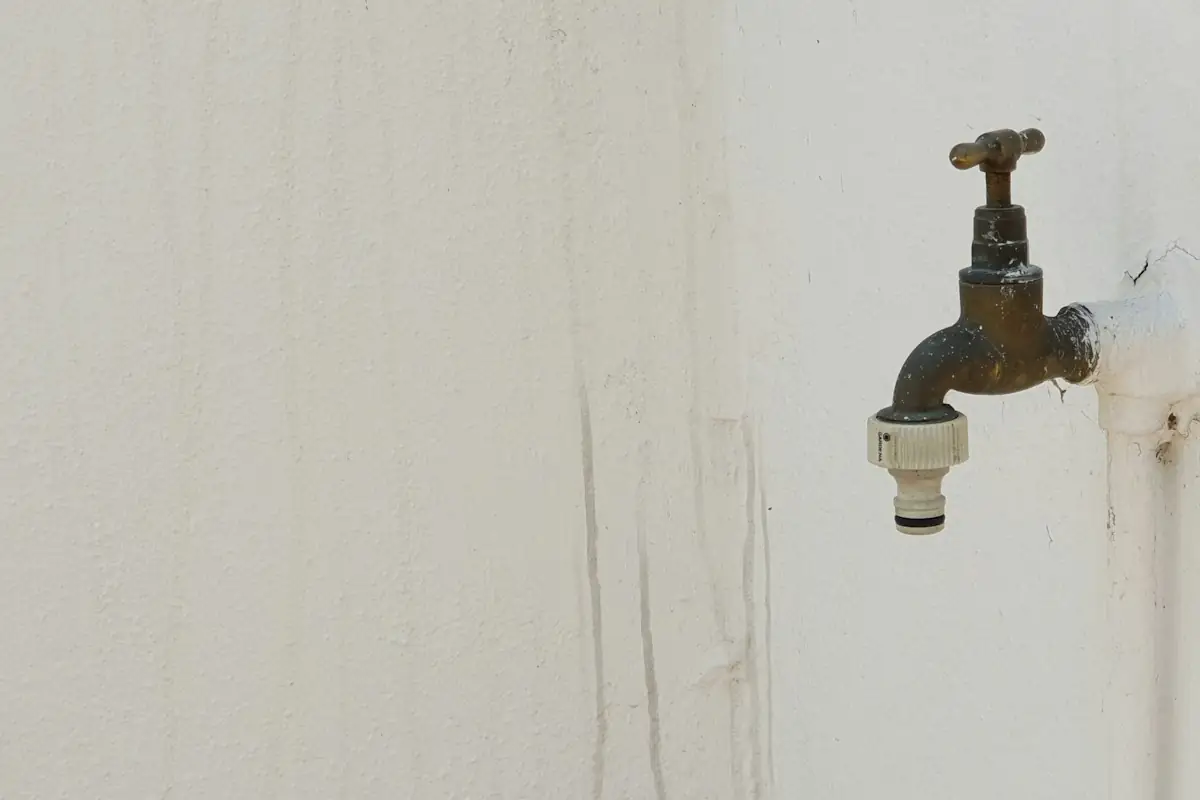
The same principles apply to laundry tub faucets and outdoor taps, which often still use simple compression washers. Replacing a washer and seat brings them back.
If a handle spins without closing the tap, the stem threads are stripped and the stem must be replaced.