How the job runs
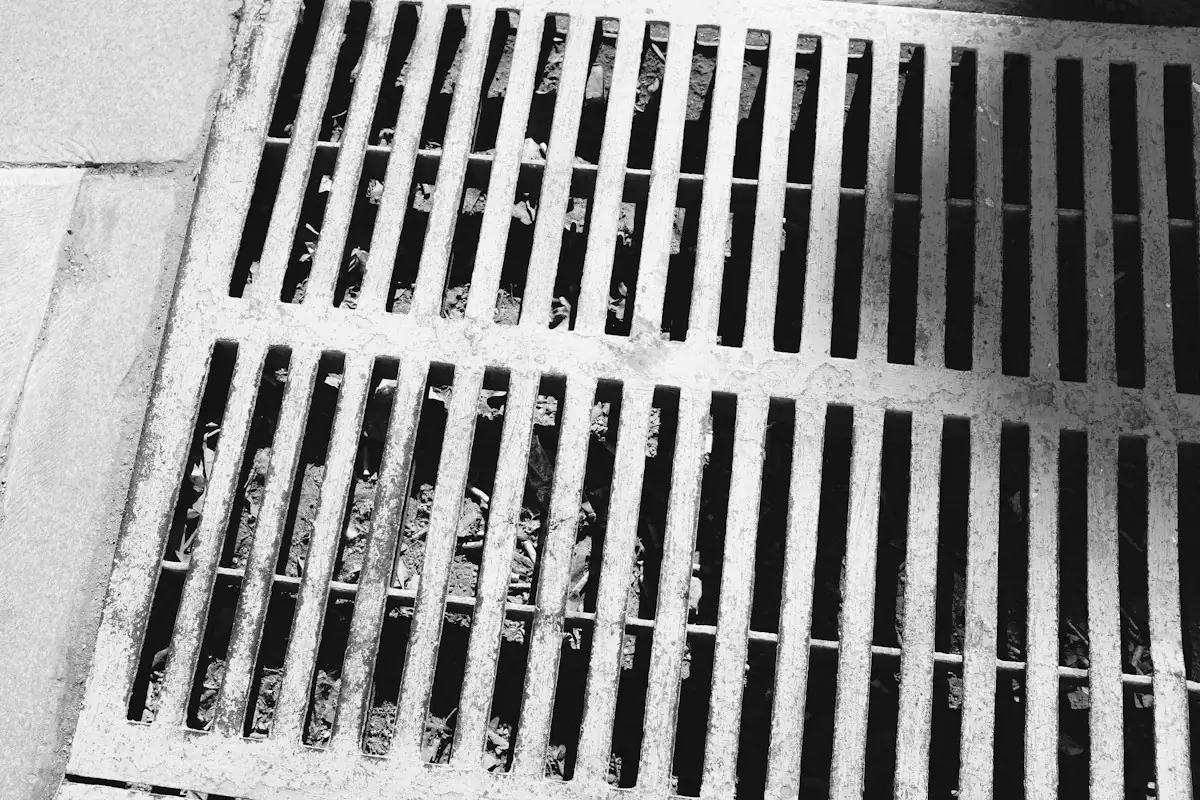
- 1Pull the grateremove the cover and any debris sitting in the bowl
- 2Check the trapmake sure it holds water to block sewer gas
- 3Clear the lineauger through the trap or the cleanout toward the main
- 4Camera if neededinspect the line if backups keep returning
- 5Protectadd a trap seal, primer or backwater valve where appropriate
01A dry trap smells
Floor drains in unfinished basements may go months without water. The trap dries out and sewer gas comes straight up. Pouring a bucket of water in fixes it for a while; a trap seal insert or primer fixes it for good.
If the smell persists with a full trap, we look at the cleanout plug and the stack for a leak.
| Sewer smell | Usually a dry trap that has evaporated |
|---|---|
| Gurgling when the washer drains | A partial blockage in the main |
| Backs up in storms | Consider a backwater valve |
02When it overflows
If laundry water comes up through the floor drain, the main is partly blocked downstream. Clearing it and then looking at it with a camera tells us whether roots or a break are behind it.
03Old drains, old fittings
Many postwar Scarborough basements have the original cast-iron floor drain set in the slab. If the bowl is cracked or the trap is rotted, it may need to be broken out and replaced with a new one.
04A clue from the laundry
If the drain only backs up on wash day, the main is the likely culprit.